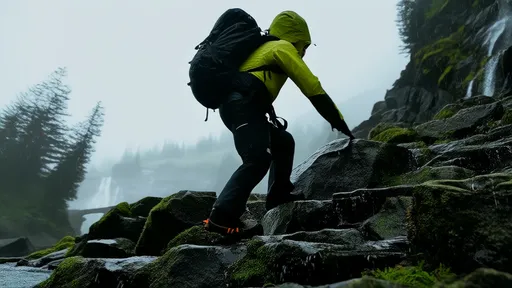
Rainy weather doesn't have to signal the end of your outdoor adventures. For dedicated runners, hikers, and cyclists, precipitation is merely another element to conquer rather than a barrier. The true difference between a miserable, soaked experience and an invigorating, successful outing lies entirely in the quality and performance of your waterproof gear. This isn't about fashion; it's about function. This report dives deep into the ultimate real-world test for the most critical pieces of outdoor apparel, moving beyond laboratory specs to see what truly holds up when the skies open.
The cornerstone of any wet-weather kit is, without question, the jacket. It's your first and most important line of defense. We subjected a range of jackets—from budget-friendly options to premium technical shells—to a grueling four-hour test in steady, moderate rainfall combined with wind. The goal was to simulate typical adverse conditions rather than a biblical downpour. The results were telling. While many jackets boast impressive hydrostatic head ratings on their tags, real-world performance introduces variables like seam integrity, zipper quality, and the dreaded issue of internal condensation.
We quickly learned that a high waterproof rating means little if the seams are not fully sealed. On several mid-tier jackets, moisture began to seep through the stitching along the shoulders and hood within the first hour. This is a critical failure point. Furthermore, the type of zipper matters immensely. Standard zippers will wick water directly into the core of the jacket. The top-performing models all featured aquaguard or similar waterproof zipper flaps that completely prevented this ingress. However, the most significant challenge wasn't external water but internal humidity. Despite claims of highly breathable fabrics, all jackets accumulated condensation to some degree during high-output activities like trail running. The best jackets managed this moisture effectively, moving it away from the skin to prevent that clammy, wet feeling, while the worst felt like wearing a plastic bag.
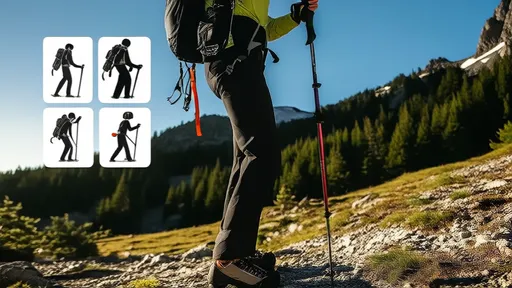
Moving below the core, waterproof pants are often an afterthought but become indispensable during hikes or cycles where you're brushing against wet foliage or dealing with spray from the ground. Our testing focused on freedom of movement and overall wetness protection. The key finding here was the trade-off between total waterproofing and breathability. Pants made with a rugged, hardshell material kept water out completely but led to excessive sweating on climbs. Models with more flexible, softshell-like fabrics offered superior mobility and better air exchange but sometimes allowed water to soak through during prolonged exposure when kneeling or sitting on wet surfaces. The ultimate test came from sitting on a rain-soaked log for ten minutes; only the most robust membranes passed without any dampness transferring through.
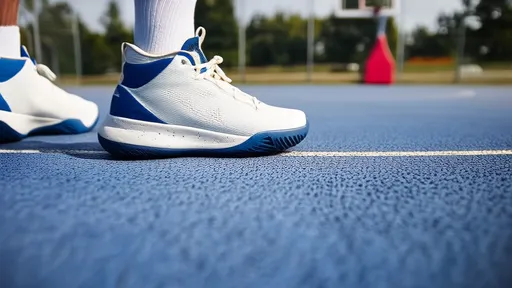
No discussion of waterproofing is complete without addressing footwear. Wet feet can ruin an outing faster than anything else, leading to blisters and cold-induced misery. We tested hiking boots and running shoes across muddy trails and through shallow streams. The construction of the shoe proved to be as important as the membrane itself. Boots with a one-piece leather upper and minimal stitching generally outperformed fabric-heavy boots, as there were fewer points of potential failure. The waterproof tongue, often a weak spot, was a key differentiator; fully gusseted tongues that are attached to the boot on both sides prevented water from funneling straight in. For running shoes, a well-sealed toe cap was vital for preventing splash-up from puddles from immediately soaking the mesh upper. However, a significant caveat emerged: if water gets in over the top of the shoe collar—as it does when crossing a deep stream—no membrane in the world will get it out. Waterproof shoes are designed to keep water out, not in.
Beyond the big three—jackets, pants, and shoes—accessories play a pivotal role in overall comfort. A waterproof hat with a brim is essential for keeping rain off your glasses and out of your eyes. We tested various materials and found that a coated polyester or nylon held up best, while wool or fleece hats, though warm, became saturated and heavy quickly. Gloves are another crucial element. The dexterity versus protection dilemma is real. Thin, liner-style waterproof gloves kept hands dry during light rain but offered little insulation. Heavier ski-style gloves provided warmth but often became waterlogged after hours of exposure, as the seams are not always sealed to the same standard as a jacket. The best solution for extended trips in cold rain was a layered system: a thin wool liner inside a shell mitt.
Finally, we must consider the pack itself. A waterproof backpack or a reliable rain cover is non-negotiable for protecting your spare layers, electronics, and food. Many packs claim weather resistance, but this is not the same as being waterproof. We filled packs with dry paper towels and subjected them to heavy spray from a hose, simulating hours of rain. Seam-sealed packs designed for water sports performed flawlessly, with no moisture penetration. Standard hiking packs, even with their included rain covers, often allowed water to seep in through the back panel where the pack rests against your body, as the cover doesn't always provide a perfect seal in this area. For ultimate protection, using internal dry bags or zip-lock bags within any pack is the most foolproof method.
In conclusion, the ultimate test for waterproof gear is not a single downpour but a prolonged, multi-faceted assault from rain, wind, sweat, and contact with wet surfaces. The best gear creates a reliable system where each component works in concert. A perfect jacket is let down by leaky shoes; dry feet are meaningless if your backpack soaks your only dry sweater. The most consistent performers were items that paid meticulous attention to detail: fully taped seams, waterproof zippers, robust yet breathable membranes, and intelligent design that understands how the gear is actually used in the field. Investing in high-quality waterproof protection is an investment in freedom—the freedom to embrace the elements and continue your adventure, no matter what the forecast holds.
By /Aug 25, 2025

By /Aug 25, 2025

By /Aug 25, 2025

By /Aug 25, 2025
By /Aug 25, 2025

By /Aug 25, 2025

By /Aug 25, 2025

By /Aug 25, 2025
By /Aug 25, 2025

By /Aug 25, 2025
By /Aug 25, 2025

By /Aug 25, 2025
By /Aug 25, 2025
By /Aug 25, 2025
By /Aug 25, 2025

By /Aug 25, 2025

By /Aug 25, 2025

By /Aug 25, 2025

By /Aug 25, 2025

By /Aug 25, 2025
