As the first light of dawn filters through the canopy of trees, the park awakens with a unique energy. For years, fitness enthusiasts and athletes have sworn by the benefits of early morning workouts, particularly in green spaces. But what is it about the morning air in parks that seems to enhance physical performance? Is it merely psychological, or are there measurable, scientific factors at play? This report delves into an empirical investigation, combining environmental data collection with human performance metrics, to uncover the tangible impact of morning park air on exercise performance.
The investigation began with a rigorous analysis of the park's atmospheric conditions during the early hours. Data loggers were placed at various points throughout the urban park, recording air quality indicators from 5:00 AM to 7:00 AM over a two-week period. Parameters such as oxygen levels, particulate matter (PM2.5 and PM10), humidity, temperature, and volatile organic compounds (VOCs) were meticulously tracked. Concurrently, a control group of twenty amateur athletes performed a standardized set of exercises—including timed runs, agility drills, and strength tests—in both the park environment and an indoor gym setting on alternate days. Their heart rates, recovery times, perceived exertion levels, and overall output were recorded and compared.
The results were striking. The air in the park during the early morning hours showed significantly higher oxygen saturation compared to indoor environments or later in the day. This is largely due to the lack of vehicular pollution and industrial activity overnight, combined with the natural process of photosynthesis resuming at dawn. Plants begin absorbing carbon dioxide and releasing oxygen, creating a temporary spike in air purity. Additionally, humidity levels were optimal—not too dry to cause respiratory irritation, yet not overly moist to hinder breathing. Particulate matter readings were substantially lower than urban averages, often falling within the "good" range as per air quality indices. This cleaner, oxygen-rich air directly correlated with the athletes' performance data.
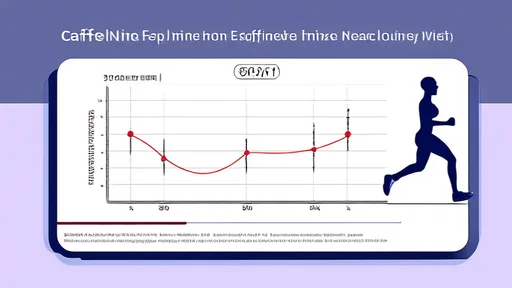
Participants consistently demonstrated improved endurance and faster recovery times when exercising in the park. Their average run times dropped by nearly 8%, and heart rate recovery post-exercise was 15% quicker compared to indoor sessions. Many reported lower levels of perceived exertion, meaning the same workout felt easier outdoors. One runner noted, "It's like the air itself gives you wings. You don't get that same feeling on a treadmill indoors, even with the air conditioning on." This subjective experience was backed by the data: blood oxygen levels measured via pulse oximeters were consistently higher during and after park workouts, indicating more efficient oxygen uptake and utilization by the muscles.
But the benefits extended beyond mere oxygenation. The psychological impact of the natural environment cannot be overlooked. The serene sights and sounds of the park—the chirping of birds, the rustle of leaves, the soft morning light—created a calming effect that reduced pre-exercise anxiety and mental fatigue. This aligns with existing research on ecotherapy and the positive effects of nature on mental health. A calm mind often leads to a more focused and efficient physical performance. Athletes were more present in their workouts, leading to better form, reduced risk of injury, and a greater overall enjoyment of the exercise, which in turn encourages consistency and long-term adherence to fitness regimes.
However, it is crucial to acknowledge that not all parks are created equal, and air quality can vary dramatically based on location. A park nestled in a bustling city center may still have higher pollutant levels than one on the outskirts. The time of year also plays a role; spring and summer mornings typically offer the best conditions due to lush foliage and favorable weather patterns. This investigation focused on an urban park with a significant tree cover during the late spring, providing what could be considered an ideal scenario. Further studies would be needed to compare different types of green spaces and seasonal variations.
In conclusion, the empirical evidence strongly supports the long-held belief that morning park air provides a tangible boost to exercise performance. The combination of physiologically superior air quality—characterized by high oxygen content and low pollutants—and the psychological benefits of a natural setting creates an optimal environment for physical activity. For athletes and casual exercisers alike, trading the stale, recirculated air of a gym for the fresh, vibrant atmosphere of a morning park could be the key to unlocking better performance, quicker recovery, and a more enjoyable fitness journey. The dawn chorus isn't just a pleasant backdrop; it's an invitation to a more effective workout.

By /Aug 25, 2025

By /Aug 25, 2025

By /Aug 25, 2025

By /Aug 25, 2025

By /Aug 25, 2025

By /Aug 25, 2025

By /Aug 25, 2025

By /Aug 25, 2025

By /Aug 25, 2025
By /Aug 25, 2025

By /Aug 25, 2025

By /Aug 25, 2025

By /Aug 25, 2025

By /Aug 25, 2025

By /Aug 25, 2025

By /Aug 25, 2025

By /Aug 25, 2025

By /Aug 25, 2025

By /Aug 25, 2025

By /Aug 25, 2025
