In the ever-evolving landscape of fitness and personal development, the shift from traditional pen-and-paper logging to digital solutions has become more than a trend—it's a revolution. Athletes, coaches, and everyday enthusiasts are increasingly turning to specialized apps and digital note-taking platforms to track, analyze, and optimize their training journeys. This digital transformation is not merely about convenience; it represents a fundamental change in how we understand and interact with our own progress.
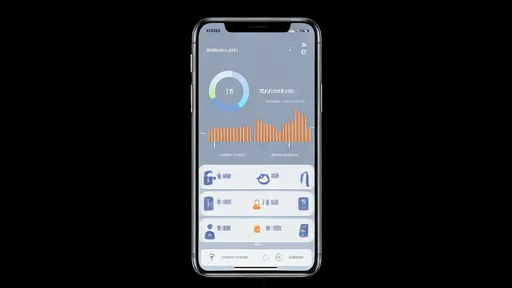
The days of dog-eared notebooks filled with scribbled workout details are fading fast. Modern training log apps offer a seamless, integrated experience that goes far beyond basic record-keeping. These applications, often accessible via smartphones or wearables, provide real-time data entry, cloud synchronization, and sophisticated analytics that would be impossible to achieve manually. The ability to instantly review historical performance, track trends over time, and receive personalized insights has empowered users to make more informed decisions about their training regimens.
One of the most significant advantages of digital training logs is their capacity for comprehensive data aggregation. Unlike paper logs that typically capture only basic metrics like sets, reps, and weights, digital platforms can incorporate a multitude of variables. Users can track everything from sleep quality and nutrition intake to heart rate variability and subjective mood ratings. This holistic approach creates a multidimensional picture of one's fitness journey, revealing patterns and correlations that might otherwise remain hidden.
The integration of wearable technology has further enhanced the capabilities of training log applications. Smartwatches and fitness trackers can automatically populate logs with precise data regarding heart rate, calories burned, GPS routes for outdoor activities, and even advanced metrics like running dynamics or swimming stroke efficiency. This automation not only saves time but also ensures a level of accuracy that manual entry simply cannot match. The seamless flow of data from device to application creates a continuous feedback loop that keeps users engaged and informed.
Beyond dedicated fitness apps, many individuals are discovering the versatility of general-purpose note-taking applications for tracking their training progress. Platforms like Evernote, Notion, and OneNote offer customizable templates that can be tailored to specific training needs. The flexibility of these tools allows users to create detailed logs that include not just numbers, but also written reflections, video demonstrations, and links to relevant resources. This approach appeals particularly to those who value narrative context alongside quantitative data.
The social dimension of digital training logs represents another compelling aspect of their appeal. Many applications incorporate community features that allow users to share their progress, participate in challenges, and receive encouragement from peers. This social connectivity transforms what was once a solitary practice into a shared experience, fostering accountability and motivation. The ability to follow professional athletes or respected coaches within these platforms provides additional inspiration and learning opportunities.
For coaches and trainers, digital logging tools have revolutionized client management and program design. The ability to remotely monitor multiple athletes' progress, make real-time adjustments to training plans, and provide immediate feedback has significantly enhanced the coaching process. Detailed historical data allows for more precise periodization and better-informed decisions about when to push for progress and when to prioritize recovery. The transparency and accessibility of digital logs have also improved communication between coaches and athletes.
The analytical capabilities of digital training logs represent perhaps their most powerful feature. Advanced algorithms can identify patterns, predict potential plateaus, and suggest optimal training loads based on individual response patterns. Machine learning components in some applications can even adapt recommendations based on continuous data input, creating increasingly personalized guidance over time. These intelligent features help users avoid common pitfalls like overtraining while maximizing the efficiency of their efforts.
Despite the numerous advantages, the transition to digital logging is not without challenges. Concerns about data privacy, information overload, and the potential loss of the tactile experience associated with traditional journaling remain valid considerations. Additionally, the reliability of technology—battery life, connectivity issues, and software bugs—can occasionally disrupt the consistency that is crucial for effective tracking. These limitations remind us that technology should serve as a tool rather than a replacement for mindful engagement with one's training practice.
Looking toward the future, the evolution of training log technology shows no signs of slowing. Integration with artificial intelligence, virtual reality, and more sophisticated biometric sensors promises to further enhance the depth and utility of digital training documentation. The potential for predictive analytics to prevent injuries and optimize performance could fundamentally change how we approach fitness and athletic development. As these technologies continue to mature, they will likely become increasingly personalized and context-aware.
The psychological impact of digital training logs deserves special consideration. The immediate feedback and visual representation of progress can significantly boost motivation and adherence to training programs. However, there is also a risk of becoming overly focused on metrics at the expense of listening to one's body. The most effective users of digital logging tools are those who maintain a balanced perspective, using the data as guidance rather than absolute truth.
Accessibility has improved dramatically as digital logging solutions have proliferated. Free versions of many applications provide robust functionality, while premium offerings deliver advanced features for serious athletes. The variety of options available means that there is likely a digital logging solution suited to virtually every training style, preference, and budget. This democratization of advanced tracking tools has made sophisticated training analysis available to enthusiasts at all levels.
The environmental impact of digital versus paper logging presents an interesting consideration. While digital solutions eliminate paper waste, they introduce concerns about electronic waste and energy consumption associated with server maintenance and device manufacturing. The overall environmental footprint comparison is complex and depends on usage patterns, but the reusable nature of digital devices suggests potential advantages for sustainable practice when used over extended periods.
Customization remains a key strength of digital training logs. Users can typically design their own metrics, create custom workout templates, and set personalized goals that align with their specific objectives. This flexibility allows for applications ranging from powerlifting peaking programs to marathon training plans to general wellness tracking. The ability to adapt the tool to individual needs rather than conforming to predetermined structures represents a significant advancement over standardized paper logs.
In conclusion, the digitization of training logs through specialized applications and adaptable note-taking platforms has transformed how athletes and fitness enthusiasts document and understand their progress. These tools offer unprecedented capabilities for data collection, analysis, and sharing while introducing new considerations regarding technology dependence and information management. As the field continues to evolve, the most successful practitioners will likely be those who leverage digital advantages while maintaining the fundamental principles of consistent tracking and thoughtful reflection that have always underpinned effective training documentation.

By /Aug 25, 2025

By /Aug 25, 2025

By /Aug 25, 2025
By /Aug 25, 2025

By /Aug 25, 2025

By /Aug 25, 2025

By /Aug 25, 2025

By /Aug 25, 2025

By /Aug 25, 2025

By /Aug 25, 2025

By /Aug 25, 2025

By /Aug 25, 2025

By /Aug 25, 2025

By /Aug 25, 2025

By /Aug 25, 2025

By /Aug 25, 2025

By /Aug 25, 2025

By /Aug 25, 2025

By /Aug 25, 2025

By /Aug 25, 2025
