It’s a familiar feeling for anyone who pushes their limits in the gym or on the field: that deep, persistent muscle soreness that sets in hours or even a day after an intense workout. Known in the fitness world as Delayed Onset Muscle Soreness, or DOMS, this phenomenon is both a badge of honor and a source of significant discomfort. How we choose to address this soreness—whether through active recovery or passive rest—can profoundly influence not only how quickly we bounce back but also our long-term performance and resilience.
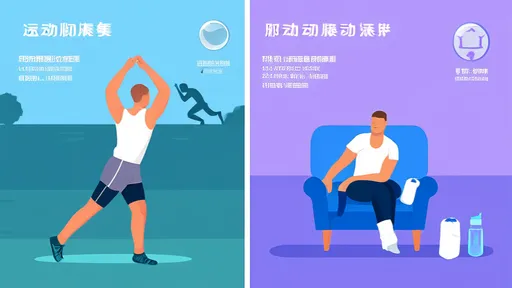
For decades, the prevailing wisdom for dealing with post-exercise soreness was simple: rest. The idea was to give the body complete stillness, allowing it to direct all its energy toward repair. This approach, known as passive recovery, involves minimal physical exertion—think lying on the couch, icing sore muscles, or perhaps getting a massage. It’s a seductive concept, especially when even walking downstairs feels like a monumental task. There’s no denying the immediate comfort that comes from doing nothing. Your muscles aren’t being asked to do any additional work, and for many, this feels like the most intuitive and respectful way to handle the damage.
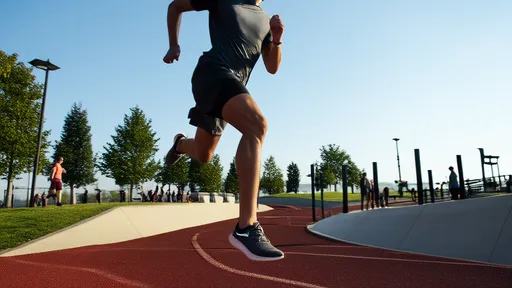
However, the fitness and scientific communities have begun to challenge this long-held notion. A growing body of research suggests that strategic movement, or active recovery, might actually be a far more effective tool for combating DOMS and enhancing overall recuperation. Active recovery involves engaging in low-intensity, low-impact exercise during the recovery period. This isn’t about setting new personal records; it’s about gentle movement—a light jog, a leisurely swim, a brisk walk, or a session of dynamic yoga. The goal is to increase blood flow without imposing significant new stress on the already fatigued muscles.
The physiological rationale behind active recovery is compelling. When we exercise intensely, we create microscopic tears in our muscle fibers and produce metabolic byproducts like lactate. The resulting inflammation and buildup are primary contributors to the pain and stiffness of DOMS. By engaging in light activity, we essentially use our muscles as pumps. This gentle contraction and relaxation help to stimulate circulation, flushing out inflammatory markers and metabolic waste products more efficiently than total inactivity would. At the same time, the increased blood flow delivers a richer supply of oxygen and nutrients—the essential building blocks for repair—to the damaged tissues, potentially accelerating the healing process.
Beyond just managing soreness, active recovery offers a cascade of other benefits. It helps maintain and even improve joint mobility and flexibility, which can be compromised after a tough workout. It keeps the neuromuscular pathways engaged, preventing that feeling of stiffness or "rustiness." Perhaps most importantly, it can have a significant positive impact on one’s mental state. The endorphin release from even mild exercise can improve mood and combat the feelings of lethargy that often accompany rest days, making it easier to stay consistent with a training program.
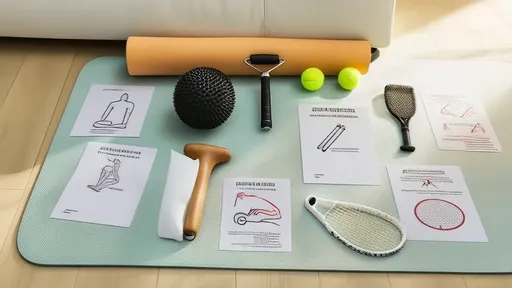
This is not to say that passive recovery is obsolete or without merit. There are absolutely scenarios where it is not just beneficial but necessary. In cases of extreme fatigue, actual injury (as opposed to general soreness), or illness, forcing movement can be counterproductive and even dangerous. Passive recovery provides the central nervous system with a crucial chance to reset and is an integral part of any periodized training plan that includes dedicated rest days. Furthermore, modern recovery technologies like percussion massagers, compression boots, and cryotherapy are forms of enhanced passive recovery that can be highly effective when used appropriately.
So, how does one choose between an active or passive approach? The decision is highly individual and should be guided by listening to your body. A useful rule of thumb is to assess your energy levels and the nature of the soreness. If you’re feeling general muscle achiness but are otherwise energetic, a light active recovery session will likely do you a world of good. If you are utterly drained, feeling pain in a specific joint (a potential sign of injury), or fighting off a bug, then a day of genuine rest is probably the smarter choice. The worst thing you can do is adopt a dogmatic, one-size-fits-all approach. Recovery is not a binary choice but a spectrum, and the most effective strategy often involves a intelligent blend of both active and passive modalities throughout the week.
Ultimately, understanding the difference between active and passive recovery empowers you to make informed decisions about your body. It shifts the mindset from simply enduring soreness to actively managing it. By learning to interpret the signals your body sends and responding with the appropriate recovery tool—whether it’s a gentle walk around the neighborhood or a full day of rest—you transform recovery from an afterthought into a strategic component of your training. This proactive approach doesn’t just help you feel better faster; it builds a more durable, resilient, and capable athlete, ready to tackle the next challenge head-on.
By /Aug 25, 2025

By /Aug 25, 2025
By /Aug 25, 2025
By /Aug 25, 2025

By /Aug 25, 2025

By /Aug 25, 2025
By /Aug 25, 2025

By /Aug 25, 2025

By /Aug 25, 2025
By /Aug 25, 2025
By /Aug 25, 2025

By /Aug 25, 2025

By /Aug 25, 2025

By /Aug 25, 2025
By /Aug 25, 2025
By /Aug 25, 2025

By /Aug 25, 2025

By /Aug 25, 2025

By /Aug 25, 2025

By /Aug 25, 2025
