Isometric Contraction Exercises While Waiting at the Bus Stop

Aug 25, 2025 By

Waiting for the bus often feels like wasted time—a liminal space between destinations where minutes stretch idly. Yet, what if this interstitial pause could be transformed into an opportunity for physical well-being? Enter the concept of isometric contraction exercises, a form of training that involves tensing muscles without movement, perfect for discreet practice in public settings like a bus stop. This approach turns passive waiting into active conditioning, blending seamlessly into the backdrop of daily life without drawing attention or requiring equipment.

Isometric exercises, by definition, involve static muscle engagement. Unlike dynamic movements such as squats or lunges, these contractions hold muscles under tension without changing their length or moving joints. Think of pressing your palms together firmly or clenching your glutes—these actions build strength, stability, and endurance silently. The beauty lies in their subtlety; at a bustling bus stop, you can engage in a full-body workout while appearing to simply stand still, making it an ideal practice for urban dwellers short on time and space.

The benefits of isometric training are well-documented in fitness literature. Studies have shown that regular isometric contractions can significantly increase muscle strength, particularly in stabilizing muscles often neglected in traditional workouts. For instance, holding a plank position (or a modified version while leaning against a bus shelter) strengthens the core, reduces back pain, and improves posture. Similarly, isometric leg exercises like quad squeezes or calf raises enhance lower body power, which can translate to better mobility and reduced fatigue during long commutes or standing periods.

Beyond physical gains, isometric exercises offer mental advantages. The focus required to maintain muscle tension fosters mindfulness, pulling you out of the distraction of scrolling on your phone and into the present moment. This mental engagement can reduce stress levels—a common companion during waits—by channeling nervous energy into purposeful action. As you concentrate on contracting your abdominal muscles or squeezing your shoulder blades together, the wait for the bus becomes a meditative practice, grounding you in your body rather than the uncertainty of transit schedules.

Implementing these exercises at the bus stop requires no special preparation. Start with simple contractions: tighten your core as if bracing for a gentle punch, hold for 10 seconds, and release. Repeat this discreetly while shifting your weight subtly. For the lower body, press your feet firmly into the ground, engaging your calves and thighs; to avoid notice, you might lean against a pole or wall, mimicking a relaxed stance. Upper body work can include squeezing your fists or pressing your elbows gently into your sides to activate the lats and chest. The key is to maintain natural facial expressions and avoid dramatic movements—this is about internal effort, not external display.

Safety is paramount when practicing isometrics in public spaces. Avoid overexertion; never hold your breath during contractions, as this can spike blood pressure. Instead, breathe steadily and deeply, syncing exhalations with the effort. Listen to your body—if you feel pain (not to be confused with muscle fatigue), release immediately. Since bus stops often involve uneven surfaces or distractions, ensure you’re stable and aware of your surroundings to prevent imbalance. Those with hypertension or cardiovascular issues should consult a doctor before incorporating isometric holds, as the static nature can temporarily increase blood pressure.

The adaptability of isometric exercises makes them perfect for unpredictable wait times. Whether your bus arrives in two minutes or twenty, you can adjust the duration and intensity of your contractions. Short, frequent holds (e.g., 5-10 seconds with rest intervals) work well for brief waits, while longer engagements (up to 30 seconds) suit extended delays. This flexibility ensures that no time is wasted; even a three-minute wait becomes a chance to strengthen your body incrementally, compounding over weeks into noticeable improvements in muscle tone and endurance.

Incorporating isometrics into daily routines like bus waiting also builds consistency—a cornerstone of fitness success. Unlike gym sessions that require dedicated time slots, these micro-workouts happen organically within existing habits. Over time, this practice cultivates a mindset of seizing small opportunities for health, reinforcing the idea that fitness isn’t confined to a location but is a portable, integrated part of life. As you board the bus feeling subtly energized rather than sluggish, the payoff becomes immediate and reinforcing.

So next time you find yourself glancing at your watch impatiently at the bus stop, remember: those still moments hold potential. With nothing but your body and a bit of focus, you can turn waiting into strengthening, idleness into activity, and frustration into fulfillment. Isometric contractions are more than just exercises; they’re a paradigm shift in how we view and utilize time, proving that wellness doesn’t pause for life’s interruptions—it thrives within them.
Recommend Posts
Fitness

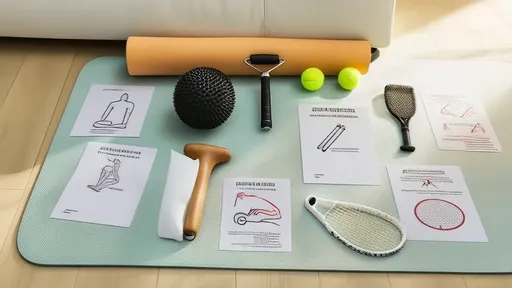
Fascial Blade Home Alternative Tools and Safety Precautions

By /Aug 25, 2025

In recent years, the popularity of self-myofascial release techniques has surged, with tools like fascia scrapers gaining significant attention among fitness enthusiasts and those seeking relief from muscle tension. While professional-grade fascia scrapers are effective, they can be expensive and may require proper technique to avoid injury. For individuals looking to explore myofascial release at home, several household items can serve as practical alternatives. However, understanding how to use these substitutes safely is paramount to prevent harm and maximize benefits.
Fitness

Three Difficulty Variations of Triceps Dips on a Bench

By /Aug 25, 2025

For fitness enthusiasts seeking to build upper body strength, the triceps dip remains one of the most effective and versatile bodyweight exercises available. While often associated with parallel bars in gym settings, this movement offers remarkable adaptability that allows individuals at various fitness levels to engage with it meaningfully. The beauty of triceps dips lies not just in their effectiveness but in their scalability—from beginners taking their first steps toward strength training to advanced athletes looking to push their limits further.
Fitness

Scientific Quantification of Small Amounts, Frequent Times" in Sports Hydration

By /Aug 25, 2025

As athletes lace up their shoes and prepare to push their limits, one of the most critical yet often overlooked aspects of performance is hydration. The common advice to drink "little and often" has been echoed in locker rooms and training grounds for decades, but what does this actually mean in scientific terms? How much is "little," and how frequent is "often"? This article dives deep into the physiology of hydration, the risks of imbalance, and the precise quantification of this golden rule to empower athletes and fitness enthusiasts with evidence-based strategies.
Fitness

Digital Training Log Template (APP/Notes)

By /Aug 25, 2025

In the ever-evolving landscape of fitness and personal development, the shift from traditional pen-and-paper logging to digital solutions has become more than a trend—it's a revolution. Athletes, coaches, and everyday enthusiasts are increasingly turning to specialized apps and digital note-taking platforms to track, analyze, and optimize their training journeys. This digital transformation is not merely about convenience; it represents a fundamental change in how we understand and interact with our own progress.
Fitness

Resistance Adjustment and Heart Rate Zones in Bicycle Commuting

By /Aug 25, 2025

For urban cyclists navigating city streets day after day, the relationship between resistance management and heart rate zones remains one of the most practical yet overlooked aspects of commuting performance. Unlike recreational riders who might chase personal records or competitive cyclists focused on race outcomes, the daily commuter operates within a different set of parameters—consistency, sustainability, and integration of cycling into a broader lifestyle. Understanding how gear selection and pedal resistance directly influence cardiovascular response can transform a mundane commute into a finely tuned health-enhancing ritual.
Fitness

The Correlation between Headphone Noise Cancellation Levels and Training Focus

By /Aug 25, 2025

In the bustling landscape of modern productivity, the quest for enhanced focus has led many to explore technological aids. Among these, noise-canceling headphones have surged in popularity, not merely as accessories for music enthusiasts but as tools for cultivating concentration. The correlation between the grade of noise cancellation and an individual's ability to maintain focus during tasks—particularly those requiring deep cognitive engagement—has become a subject of both scientific inquiry and practical interest. This intersection of acoustic engineering and cognitive performance reveals a nuanced relationship worth examining for anyone invested in optimizing their work or study environments.
Fitness

Urban Park Terrain Running: The Rhythmic Transition of Slopes and Flat Grounds

By /Aug 25, 2025

Urban park running presents a unique blend of natural terrain and designed landscapes, offering runners an opportunity to engage with both challenging inclines and forgiving flats. The interplay between uphill struggles and downhill recoveries, punctuated by steady stretches of even ground, creates a rhythm that can transform a routine jog into a dynamic physical and mental exercise. Unlike the monotonous hum of a treadmill or the predictable surface of a track, park running demands constant adaptation, engaging muscles and mind in a dance with the land itself.
Fitness

Adaptation Period and Benefits of Barefoot Running on the Beach

By /Aug 25, 2025

There is something undeniably primal about the sensation of warm sand beneath bare feet, particularly when combined with the rhythmic cadence of a beach run. For many, the initial decision to shed their running shoes and embrace barefoot beach running stems from a desire to reconnect with a more natural form of movement. The first encounter, however, is often a stark reminder that our feet, accustomed to the structured support of modern footwear, have become softened and disconnected from the terrain they were designed to traverse.
Fitness

Ultimate Waterproof Test for Outdoor Gear in Rainy Days

By /Aug 25, 2025

Rainy weather doesn't have to signal the end of your outdoor adventures. For dedicated runners, hikers, and cyclists, precipitation is merely another element to conquer rather than a barrier. The true difference between a miserable, soaked experience and an invigorating, successful outing lies entirely in the quality and performance of your waterproof gear. This isn't about fashion; it's about function. This report dives deep into the ultimate real-world test for the most critical pieces of outdoor apparel, moving beyond laboratory specs to see what truly holds up when the skies open.
Fitness

The Curved Relationship between Caffeine Intake Timing and Exercise Performance

By /Aug 25, 2025

The relationship between caffeine intake timing and athletic performance is a topic that has captivated sports scientists, coaches, and athletes for decades. It is not merely a matter of consuming a stimulant; it is a nuanced dance of biochemistry, timing, and individual physiology. The curve that describes this relationship is not a simple upward slope but a complex graph with peaks, plateaus, and potential pitfalls. Understanding this curve is paramount for anyone looking to harness caffeine's ergogenic benefits effectively and safely, transforming it from a simple morning ritual into a precise performance tool.
Fitness

The Impact of Different Cooking Methods on the Protein Retention Rate of Chicken Breast Meat

By /Aug 25, 2025

Chicken breast stands as one of the most popular sources of lean protein worldwide, valued by athletes, health enthusiasts, and everyday consumers alike. Its mild flavor and versatility make it a staple in countless cuisines, but not all cooking methods treat this macronutrient powerhouse equally. The way we apply heat, moisture, and time can dramatically influence how much of that precious protein remains bioavailable and intact by the time it reaches our plates. This isn't merely a matter of culinary preference; it's a question of nutritional science that impacts the efficacy of our diets.
Fitness

Morning Park Air Quality and Exercise Performance Field Test

By /Aug 25, 2025

As the first light of dawn filters through the canopy of trees, the park awakens with a unique energy. For years, fitness enthusiasts and athletes have sworn by the benefits of early morning workouts, particularly in green spaces. But what is it about the morning air in parks that seems to enhance physical performance? Is it merely psychological, or are there measurable, scientific factors at play? This report delves into an empirical investigation, combining environmental data collection with human performance metrics, to uncover the tangible impact of morning park air on exercise performance.
Fitness

Functional Training Check-in at the Street Art Wall

By /Aug 25, 2025

On a crisp autumn morning in the industrial district, the vibrant murals of a once-derelict warehouse wall bear witness to an unexpected urban ritual. As the first rays of sunlight catch the spray-painted constellations overhead, fitness enthusiasts begin arriving with resistance bands, kettlebells, and yoga mats. This is where functional fitness meets public art—a spontaneous training ground that has become the city's latest wellness phenomenon.
Fitness

Correct Use and Error Correction of Hiking Poles

By /Aug 25, 2025

As the morning mist clings to the mountain ridges and the first rays of sunlight filter through the pine trees, hikers across the world are preparing for their ascent. Among their essential gear, one item stands out for its dual nature of being both universally used and frequently misused: the trekking pole. These simple extensions of our arms have the power to transform a grueling climb into an enjoyable journey, yet their potential remains largely untapped by many outdoor enthusiasts.
Fitness

Surface Material of Outdoor Basketball Courts and Anti-Slip Shoe Selection

By /Aug 25, 2025

As the sun beats down on the asphalt, the familiar squeak of sneakers echoes across the court. For basketball enthusiasts, the choice of footwear is not merely a fashion statement but a critical decision that can influence performance, safety, and overall enjoyment of the game. While much attention is given to indoor court surfaces and their corresponding shoe requirements, the unique challenges of outdoor basketball demand a specialized approach, particularly when it comes to the interplay between ground material and shoe traction.
Fitness

Active Recovery vs. Passive Recovery After Exercise-Induced Soreness

By /Aug 25, 2025

It’s a familiar feeling for anyone who pushes their limits in the gym or on the field: that deep, persistent muscle soreness that sets in hours or even a day after an intense workout. Known in the fitness world as Delayed Onset Muscle Soreness, or DOMS, this phenomenon is both a badge of honor and a source of significant discomfort. How we choose to address this soreness—whether through active recovery or passive rest—can profoundly influence not only how quickly we bounce back but also our long-term performance and resilience.
Fitness

A Guide to Choosing High-Quality Proteins in Convenience Stores After Exercise

By /Aug 25, 2025

After an intense workout session, your body craves replenishment, and making the right nutritional choices becomes paramount. While whole foods are ideal, the convenience of a local store often becomes the go-to solution for many fitness enthusiasts and athletes on the move. Navigating the aisles for optimal protein sources post-exercise can be daunting amidst the plethora of packaged goods, but with a discerning eye, you can find excellent options that support muscle recovery and overall health.
Fitness

Isometric Contraction Exercises While Waiting at the Bus Stop

By /Aug 25, 2025

Waiting for the bus often feels like wasted time—a liminal space between destinations where minutes stretch idly. Yet, what if this interstitial pause could be transformed into an opportunity for physical well-being? Enter the concept of isometric contraction exercises, a form of training that involves tensing muscles without movement, perfect for discreet practice in public settings like a bus stop. This approach turns passive waiting into active conditioning, blending seamlessly into the backdrop of daily life without drawing attention or requiring equipment.
Fitness

Homemade Electrolyte Popsicles: Cooling and Hydrating in Summer

By /Aug 25, 2025

As summer temperatures soar and the sun beats down relentlessly, staying cool and hydrated becomes a daily challenge for many. While reaching for a store-bought ice pop or sugary drink might offer temporary relief, these options often fall short when it comes to genuine hydration and nutritional value. Enter the homemade electrolyte ice pop—a refreshing, health-conscious alternative that not only cools you down but also replenishes essential minerals lost through sweat. This innovative treat combines the joy of a frozen dessert with the functional benefits of a sports drink, making it an ideal choice for athletes, children, and anyone looking to beat the heat in a nutritious way.
Fitness

The Impact of Alcohol Metabolism on Sleep Quality and Subsequent Training

By /Aug 25, 2025

As an athlete, you likely already know that alcohol consumption can impact performance, but the specific mechanisms through which it disrupts sleep and next-day training are often underestimated. The relationship between that evening drink and the next morning's sluggish workout is more complex than simple dehydration or a hangover. It's a story written in biochemistry, one that unfolds through the night and echoes into your training session.