As an athlete, you likely already know that alcohol consumption can impact performance, but the specific mechanisms through which it disrupts sleep and next-day training are often underestimated. The relationship between that evening drink and the next morning's sluggish workout is more complex than simple dehydration or a hangover. It's a story written in biochemistry, one that unfolds through the night and echoes into your training session.
When you consume alcohol, your body treats it as a toxin and prioritizes its metabolism above all else. The liver works overtime, breaking down ethanol into acetaldehyde—a compound more toxic than alcohol itself—before finally converting it to acetate. This metabolic process doesn't pause when you sleep; instead, it hijacks your body's nighttime recovery processes, creating a cascade of effects that undermine both rest and physical readiness.
One of alcohol's most significant impacts is on sleep architecture—the natural pattern of sleep stages that includes light sleep, deep sleep, and REM sleep. While alcohol may help you fall asleep faster, this sedative effect comes at a cost. It suppresses REM sleep, the stage crucial for memory consolidation, learning, and mood regulation. Athletes particularly rely on REM sleep for motor skill enhancement and cognitive recovery, making this disruption particularly detrimental to training progress.
Furthermore, alcohol fragments sleep throughout the night. As blood alcohol levels drop, the body experiences rebound arousal, causing more frequent awakenings and lighter sleep in the second half of the night. You might sleep for eight hours but wake up feeling unrefreshed because the quality of that sleep was compromised. This explains why even moderate drinking can leave athletes feeling fatigued despite adequate time in bed.
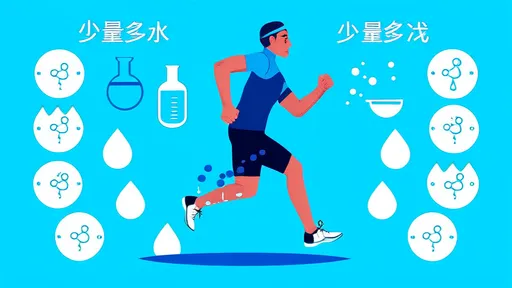
The dehydration effect deserves particular attention. Alcohol is a diuretic, increasing urine production and fluid loss. During sleep, when you're already not consuming water, this can lead to significant dehydration that affects muscle function, joint lubrication, and thermoregulation. Waking up dehydrated means your muscles are already at a disadvantage before you even begin your warm-up.
Alcohol also interferes with hormone production critical for athletic recovery. It suppresses human growth hormone (HGH) release during sleep—a hormone essential for muscle repair and growth. Testosterone levels, crucial for strength and power athletes, also take a hit. Meanwhile, cortisol levels may increase, creating a catabolic environment that breaks down muscle tissue rather than building it up.
For endurance athletes, the news gets worse. Alcohol metabolism impairs gluconeogenesis—the process of creating new glucose—which can leave you with low energy stores upon waking. Your body's ability to replenish glycogen stores overnight becomes less efficient, meaning you might start your morning run or cycling session with partially depleted fuel tanks.
The inflammatory response to alcohol creates another layer of challenge. Alcohol metabolism generates oxidative stress and inflammation that can delay recovery from previous training sessions. If you're training hard with minimal recovery time between sessions, adding alcohol to the equation essentially adds more damage without facilitating repair.
Perhaps most concerning for athletes is alcohol's impact on coordination and balance the next day. Even after alcohol has been fully metabolized, residual effects on the cerebellum and motor cortex can persist. This means your reaction time, precision, and technical skill in sports requiring fine motor control may remain compromised long after the alcohol has left your system.
The timing of consumption matters significantly. Drinking closer to bedtime means higher blood alcohol concentrations during sleep, leading to more pronounced disruptions. The body needs several hours to metabolize each standard drink, so that nightcap might still be working through your system when your alarm goes off for morning training.
Individual differences in alcohol metabolism also play a role. Genetic variations in alcohol dehydrogenase enzymes mean some people process alcohol more efficiently than others. Body composition matters too—those with higher muscle mass tend to metabolize alcohol slightly better than those with higher fat percentage. These variations explain why teammates might report different experiences with similar alcohol consumption.
For athletes serious about performance, the evidence suggests reconsidering alcohol consumption, especially during training cycles. The occasional drink might not derail progress entirely, but regular consumption—even in moderate amounts—creates cumulative effects that can stall improvement and increase injury risk. The night after your hardest training sessions is when quality sleep matters most, making this the worst time for alcohol consumption.
Recovery strategies become particularly important if you do choose to drink. Hydrating aggressively before bed and upon waking can mitigate some dehydration effects. Consuming electrolytes alongside water helps restore mineral balance. Eating a meal with your alcohol slows absorption and provides nutrients that support metabolism. However, these strategies only lessen—rather than eliminate—alcohol's negative impacts.
Some athletes experiment with "alcohol timing," scheduling consumption for nights followed by rest days rather than training days. While this approach reduces immediate performance consequences, it still compromises recovery from previous training and preparation for subsequent sessions. The reality is that alcohol and athletic excellence maintain a challenging relationship at best.
Beyond the physical effects, alcohol disrupts the discipline and routine that underpins athletic success. Late-night drinking often leads to poor nutritional choices, delayed bedtime, and skipped morning routines. The psychological aspect of waking up feeling suboptimal can affect training motivation and mental focus during sessions.
Coaches and sports scientists increasingly recognize that alcohol education should be part of comprehensive athlete development programs. Understanding the specific mechanisms—from sleep architecture disruption to hormonal interference—helps athletes make informed decisions rather than following tradition or social pressure.
The research continues to evolve, but current evidence clearly indicates that optimal recovery and performance require minimizing alcohol's interference with sleep and metabolic processes. As our understanding of sports recovery advances, the relationship between alcohol consumption and athletic performance becomes increasingly difficult to ignore.
Ultimately, the decision rests with each athlete based on their goals, values, and specific circumstances. However, understanding the precise ways alcohol metabolism affects sleep and subsequent training provides the knowledge needed to make that decision consciously rather than accidentally undermining hard-earned progress.

By /Aug 25, 2025

By /Aug 25, 2025
By /Aug 25, 2025
By /Aug 25, 2025

By /Aug 25, 2025

By /Aug 25, 2025
By /Aug 25, 2025

By /Aug 25, 2025

By /Aug 25, 2025
By /Aug 25, 2025
By /Aug 25, 2025
By /Aug 25, 2025

By /Aug 25, 2025

By /Aug 25, 2025
By /Aug 25, 2025

By /Aug 25, 2025

By /Aug 25, 2025

By /Aug 25, 2025

By /Aug 25, 2025

By /Aug 25, 2025
