In recent years, the popularity of self-myofascial release techniques has surged, with tools like fascia scrapers gaining significant attention among fitness enthusiasts and those seeking relief from muscle tension. While professional-grade fascia scrapers are effective, they can be expensive and may require proper technique to avoid injury. For individuals looking to explore myofascial release at home, several household items can serve as practical alternatives. However, understanding how to use these substitutes safely is paramount to prevent harm and maximize benefits.
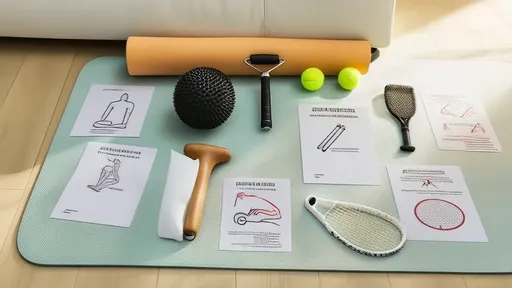
Common household objects such as spoons, butter knives, or even the edge of a sturdy plate can mimic the action of a fascia scraper. The key lies in selecting an item with a smooth, rounded edge to avoid sharp or jagged surfaces that could damage the skin or underlying tissues. For instance, a sturdy metal spoon with a blunt edge can provide adequate pressure for scraping, while a plastic spatula might offer a gentler option for beginners. It is essential to ensure that any alternative tool is clean and free from defects that could cause injury during use.
Before beginning any self-myofascial release session, it is crucial to prepare the area properly. Applying a lubricant, such as coconut oil, lotion, or aloe vera gel, can reduce friction and minimize the risk of skin irritation. The skin should be clean and free of cuts, bruises, or other injuries. Additionally, it is advisable to start with gentle pressure and gradually increase it as tolerated, focusing on areas of tension but avoiding bony prominences or sensitive regions like the spine or neck.
When using a household tool for scraping, the technique should mirror that of a professional fascia scraper. Hold the tool at a 30- to 45-degree angle against the skin and move it in slow, deliberate strokes along the muscle fibers. Typically, directions toward the heart are recommended to promote circulation, though some techniques may involve cross-fiber movements. It is important to limit sessions to 5-10 minutes per muscle group to prevent overuse or bruising. If pain beyond mild discomfort occurs, stop immediately.
While household tools can be effective, they are not without risks. Unlike professionally designed fascia scrapers, which are engineered for specific pressures and angles, improvised tools may apply uneven force or slip during use. This can lead to bruising, skin abrasions, or even deeper tissue damage if excessive pressure is applied. Individuals with certain health conditions, such as blood clotting disorders, osteoporosis, or skin sensitivities, should avoid self-myofascial release without consulting a healthcare provider.
Another critical aspect of safety is knowing when not to use these techniques. Avoid areas with varicose veins, recent surgeries, or active inflammation. If you are pregnant or have underlying health concerns, seek guidance from a medical professional before attempting any form of self-myofascial release. Even for healthy individuals, listening to the body’s signals is essential; sharp pain, numbness, or tingling are signs to stop immediately.
In conclusion, while household items can serve as accessible alternatives to fascia scrapers, they must be used with caution and awareness. Proper technique, appropriate pressure, and an understanding of personal limits are vital to ensuring a safe and beneficial experience. For those new to myofascial release, considering a session with a certified therapist to learn correct methods may be worthwhile before attempting self-treatment. Ultimately, the goal is to alleviate tension and promote wellness without compromising safety.
By /Aug 25, 2025

By /Aug 25, 2025

By /Aug 25, 2025
By /Aug 25, 2025

By /Aug 25, 2025

By /Aug 25, 2025

By /Aug 25, 2025

By /Aug 25, 2025

By /Aug 25, 2025

By /Aug 25, 2025

By /Aug 25, 2025

By /Aug 25, 2025

By /Aug 25, 2025

By /Aug 25, 2025

By /Aug 25, 2025

By /Aug 25, 2025

By /Aug 25, 2025

By /Aug 25, 2025

By /Aug 25, 2025

By /Aug 25, 2025
