In the ever-evolving landscape of fashion, certain silhouettes possess a timeless quality that allows them to transcend decades, continuously reinventing themselves while retaining their iconic essence. The A-line skirt, a definitive symbol of 1960s mod style and feminine liberation, is experiencing a powerful and sophisticated renaissance in contemporary design. This is not merely a nostalgic revival; it is a deliberate and innovative reinterpretation—a profile upgrade, as it were—where the classic shape is elevated through modern tailoring, unexpected fabrics, and a renewed philosophy of wearability and empowerment. The new A-line is sharper, more architectural, and seamlessly integrated into the multifaceted wardrobe of today.
The original A-line skirt burst onto the scene in the post-war era, a creation often credited to the visionary hand of Christian Dior's "A-Line" collection in 1955, but truly popularized and democratized by designers like Mary Quant and André Courrèges in the swinging sixties. It was a radical departure from the constricted waistlines and full skirts of the 1950s. Its simple, geometric form—fitted at the hips and flaring out gently towards the hem in a perfect "A" shape—became an instant emblem of youth culture and modernism. It represented a new freedom for women, offering a chic yet comfortable alternative that facilitated movement and embodied a playful, optimistic spirit. This was fashion breaking from tradition, and the A-line was at the forefront.
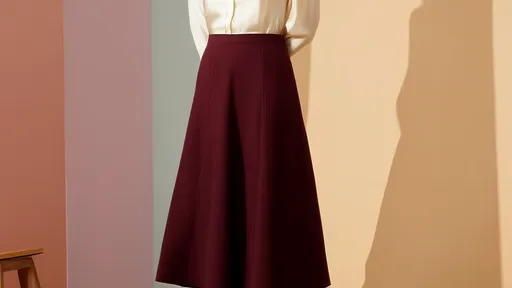
Today's designers are not content with simply replicating this history. Instead, they are deconstructing and rebuilding it from the ground up. The most significant upgrade lies in the architecture of the cut. While the 60s version often relied on wool jersey or simple cottons and a relatively soft flare, the contemporary iteration experiments with extreme proportions and precise construction. We see versions with sharper, more pronounced flares that begin higher on the hip, creating a stronger, more graphic silhouette. Others feature subtle godets or strategic seaming to control the volume, making it more dramatic and sculptural. The waistline, too, has been reconsidered; where the original often sat at the natural waist, modern versions play with high-rise and dropped-waist designs, integrating the skirt into the current language of proportion.
Furthermore, the material palette has expanded exponentially, pushing the A-line far beyond its humble beginnings. Technical fabrics like neoprene, scuba knit, and bonded wool give the skirt incredible structure, allowing it to hold its rigid, architectural form without the need for layers of petticoats. This innovation creates a clean, minimalist effect that feels utterly contemporary. Conversely, designers are also using fluid, heavy silks and satins that make the flare move in a luxurious, liquid cascade, offering a completely different sensitivityand elegance. Leather and faux leather versions add an edge of toughness and rock-and-roll attitude, proving the silhouette's incredible versatility. The choice of fabric fundamentally alters the skirt's character, from severe and modern to soft and romantic.
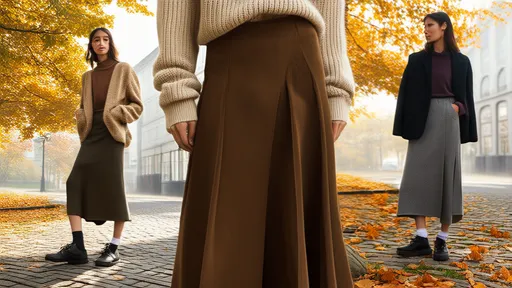
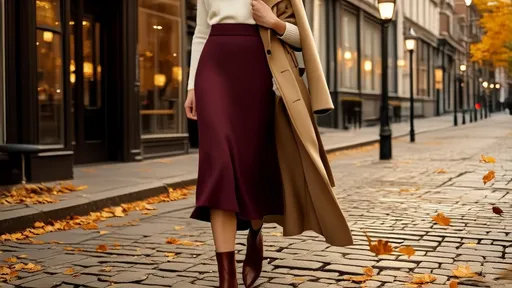
The context of how the new A-line is worn also signifies its evolution. The 1960s pairing was almost universally with a slim sweater, a collared blouse, or a graphic tee, finished with go-go boots. Today's styling is more nuanced and integrated. It is layered over tailored trousers for a fashion-forward take on suiting, a look that plays with volume and line in a distinctly modern way. It is worn with chunky, utilitarian boots or minimalist sandals, with oversized blazers or snug knitwear. This adaptability is key to its upgrade; it is no longer a standalone statement piece but a versatile component that can be dressed up for the boardroom or down for a weekend outing. It speaks to a more intelligent and personalized approach to dressing.
This revival is deeply connected to a broader cultural shift. In many ways, the new A-line carries forward the original's spirit of female empowerment but reframes it for a new generation. The 60s version was a symbol of breaking free from conservative norms. Today's version, with its strong, assertive shape and architectural confidence, reflects a woman who is both sophisticated and powerful. It is a garment that commands presence without sacrificing comfort, that celebrates a singular silhouette while allowing for individual expression through texture, color, and styling. It is fashion that feels both nostalgic and decidedly of the moment.
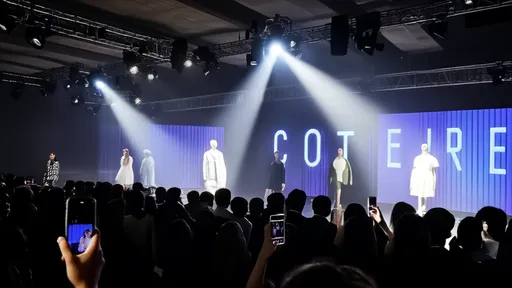
From the runways of established houses like Loewe, where Jonathan Anderson presented stiff, abbreviated A-lines that resembled inverted tulips, to Balenciaga, where Demna explored extreme, hip-slung volumes, the commitment to this upgraded silhouette is undeniable. Independent designers and avant-garde brands are further exploring its possibilities, experimenting with asymmetrical hems, integrated harnesses, and recycled materials, ensuring the A-line remains at the cutting edge of design conversation.
In conclusion, the new A-line skirt is a masterclass in how fashion can honor its history while vigorously innovating for the future. It takes a beloved, iconic form and injects it with modern construction techniques, a expansive material vocabulary, and a contemporary sensibility for styling and wearability. It is more than a trend; it is a testament to the enduring power of a great silhouette. This is not your grandmother's A-line—though she would undoubtedly admire its clever evolution. It is sharper, smarter, and designed for the dynamic pace of modern life, solidifying its place once again as a cornerstone of a thoughtful and powerful wardrobe.

By /Sep 22, 2025
By /Sep 22, 2025

By /Sep 22, 2025
By /Sep 22, 2025
By /Sep 22, 2025
By /Sep 22, 2025
By /Sep 22, 2025
By /Sep 22, 2025

By /Sep 22, 2025

By /Sep 22, 2025
By /Sep 22, 2025
By /Sep 22, 2025

By /Sep 22, 2025
By /Sep 22, 2025
By /Sep 22, 2025

By /Sep 22, 2025
By /Sep 22, 2025
By /Sep 22, 2025

By /Sep 22, 2025

By /Sep 22, 2025
