In the ever-evolving landscape of design and aesthetics, a remarkable movement has emerged, seamlessly blending the time-honored traditions of handcrafted artistry with the sleek sophistication of contemporary elegance. This fusion, known as Avant Craft, represents not merely a trend but a profound shift in how we perceive, create, and value objects in our daily lives. It is where the soul of manual skill meets the precision of modern design, resulting in pieces that are both deeply personal and universally appealing.
The essence of Avant Craft lies in its reverence for the human touch. In an age dominated by mass production and digital automation, there is a growing yearning for authenticity and connection. Handcrafted items carry with them the imprint of the artisan—each brushstroke, chisel mark, or woven thread tells a story of dedication and passion. This narrative is irreplaceable; it transforms ordinary objects into cherished heirlooms, infusing them with a sense of history and emotional resonance. Avant Craft celebrates this individuality, elevating it through a lens of contemporary refinement that appeals to today's discerning tastes.
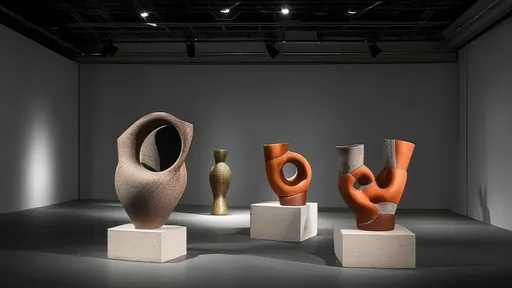
Contemporary elegance, on the other hand, is characterized by its minimalist aesthetics, clean lines, and functional beauty. It prioritizes simplicity without sacrificing depth, often incorporating innovative materials and techniques to achieve a harmonious balance. When merged with handcrafted techniques, this elegance takes on a new dimension. The roughness of hand-textured surfaces contrasts with smooth, modern forms; the irregularity of natural dyes complements structured silhouettes; and the warmth of traditional materials like wood or ceramic is enhanced by sleek metallic or glass accents. This juxtaposition creates a dynamic tension that is both visually striking and emotionally engaging.
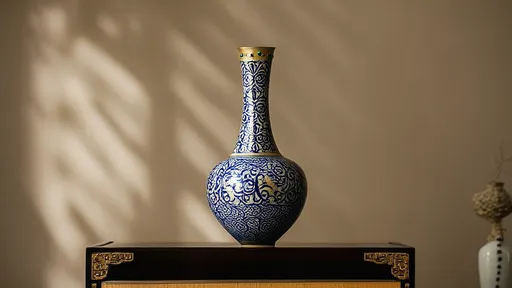
One of the most compelling aspects of Avant Craft is its ability to bridge generations. Older craft traditions, whether in pottery, textiles, woodworking, or metalwork, are revitalized through contemporary design sensibilities. Artisans are no longer confined to reproducing historical patterns; instead, they are encouraged to experiment, innovate, and collaborate across disciplines. This interdisciplinary approach has given rise to stunning creations—a hand-thrown ceramic vase with geometric laser-cut details, a woven tapestry incorporating digital prints, or a wooden chair fused with recycled plastics. These pieces honor the past while boldly stepping into the future, making craft relevant and exciting for new audiences.
Moreover, Avant Craft aligns with the rising global emphasis on sustainability and ethical consumption. Handcrafted production often involves locally sourced materials, reduced waste, and support for small-scale artisans and communities. By integrating these values with contemporary design, Avant Craft promotes a slower, more thoughtful approach to consumption. Consumers are increasingly drawn to pieces that are not only beautiful but also meaningful and responsibly made. This movement challenges the throwaway culture of fast fashion and disposable goods, advocating for quality over quantity and longevity over trends.
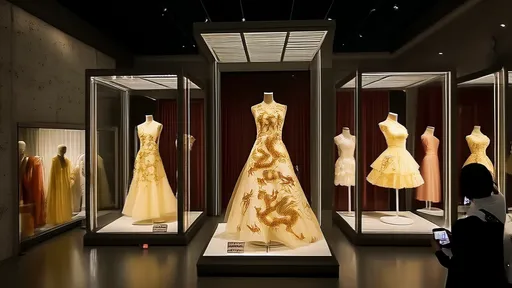
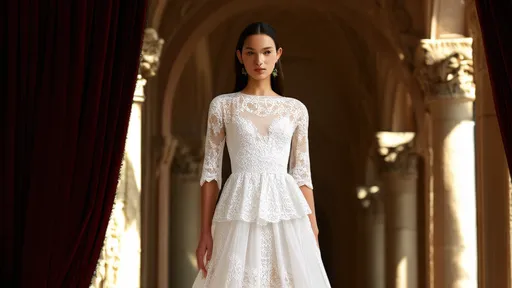
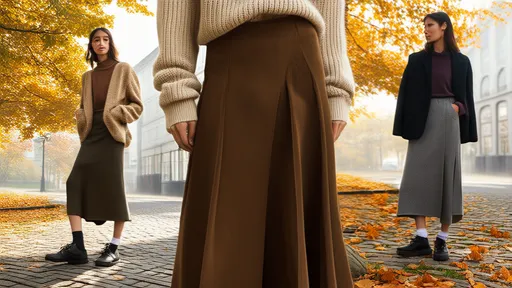
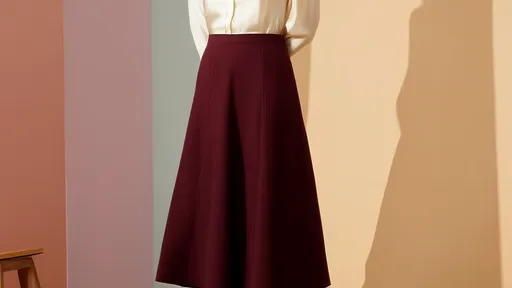
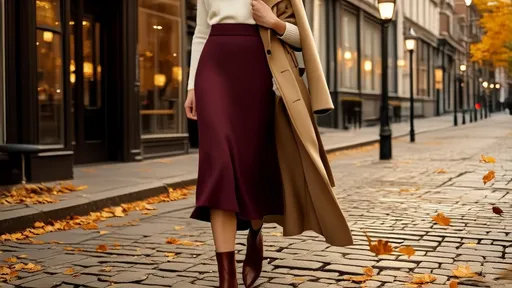
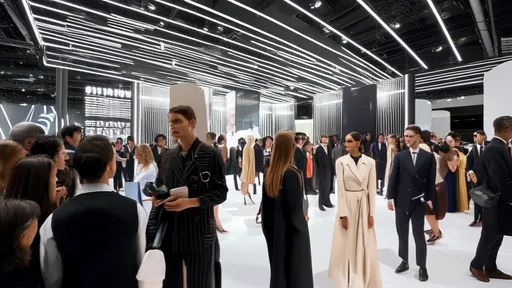
The influence of Avant Craft is visible across various domains, from interior design and fashion to architecture and product development. In homes, it manifests as curated spaces where a hand-knotted rug sits beside a minimalist sofa, or a sculptural lighting piece crafted by artisans becomes the focal point of a room. In fashion, designers are collaborating with traditional weavers or embroiderers to create garments that blend cultural heritage with modern silhouettes. Even in technology, there is a growing appreciation for devices housed in hand-finished cases or accessories that incorporate artisanal elements, proving that craft and innovation are not mutually exclusive.
Ultimately, Avant Craft is more than a stylistic choice; it is a philosophy that champions creativity, authenticity, and human connection. It reminds us that in our pursuit of progress, we must not lose sight of the skills and stories that define our cultural heritage. By embracing both the old and the new, this movement offers a vision of elegance that is inclusive, sustainable, and deeply enriching. As we move forward, Avant Craft will undoubtedly continue to inspire and shape the world of design, proving that true beauty lies in the balance between hand and machine, tradition and innovation, past and future.
By /Sep 22, 2025
By /Sep 22, 2025
By /Sep 22, 2025
By /Sep 22, 2025
By /Sep 22, 2025
By /Sep 22, 2025
By /Sep 22, 2025
By /Sep 22, 2025

By /Sep 22, 2025

By /Sep 22, 2025
By /Sep 22, 2025
By /Sep 22, 2025

By /Sep 22, 2025
By /Sep 22, 2025

By /Sep 22, 2025

By /Sep 22, 2025
By /Sep 22, 2025

By /Sep 22, 2025

By /Sep 22, 2025
By /Sep 22, 2025
