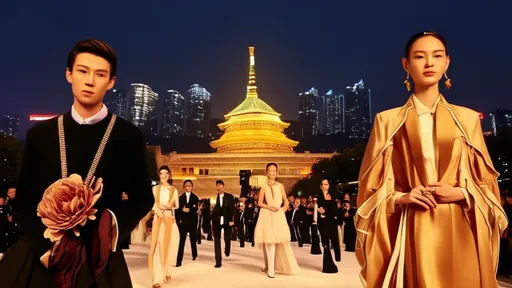
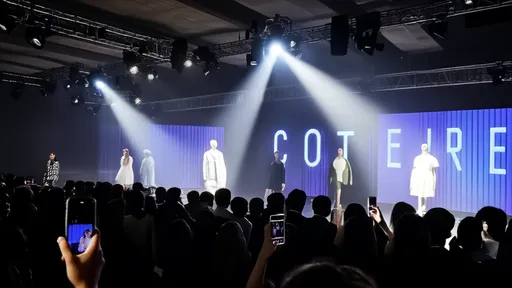
In the heart of Beijing, the China International Fashion Week unfolded with a narrative that transcended mere aesthetics, weaving a compelling dialogue between heritage and innovation under the theme "Eastern Weaves of Light, Illuminating a New Journey: Tradition and Modernity in Dialogue." The event, far from being a conventional showcase, served as a profound exploration of cultural continuity and creative evolution, where designers did not just present garments but articulated philosophies, memories, and futures stitched into fabric.
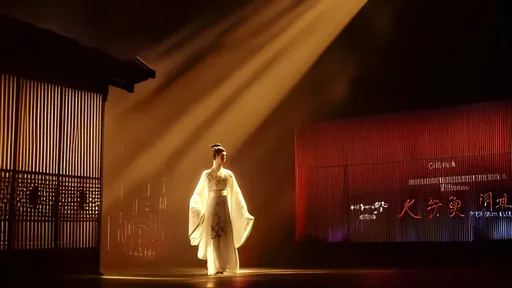
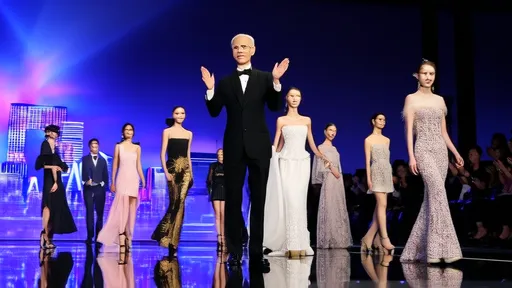
The opening ceremony set the tone with a dramatic interplay of shadow and luminescence, reminiscent of ancient Chinese artistry meeting cutting-edge technology. Models glided down the runway adorned in pieces that echoed traditional silhouettes—hanfu-inspired robes, qipao structures—yet reimagined with asymmetrical cuts, metallic threads, and digital prints that depicted landscapes from dynastic scrolls in hyper-modern hues. This was not appropriation but a respectful metamorphosis, where every fold and seam whispered stories of the past while shouting declarations of the present.
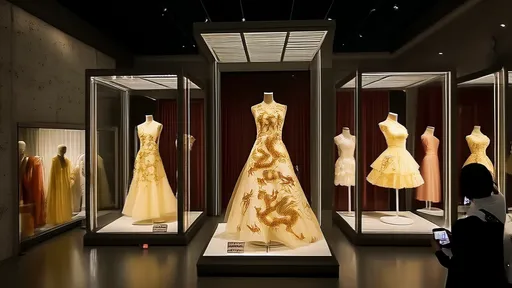
Designer Li Mei’s collection stood out as a testament to this synergy. Her work, deeply rooted in Suzhou embroidery techniques, featured intricate patterns that took hundreds of hours to hand-stitch, yet she paired them with biodegradable fabrics and modular designs that allow wearers to reconfigure garments. In her showcase, a gown embroidered with peonies—a symbol of prosperity in Chinese culture—was rendered in neon threads that glowed under UV light, symbolizing how tradition can thrive in contemporary contexts. Backstage, Li emphasized, "We are not preserving culture in amber; we are letting it breathe and evolve with our times."
Another highlight was the menswear line by emerging designer Zhang Wei, who drew inspiration from the rugged elegance of Ming Dynasty armor. He transformed rigid, historical forms into fluid, wearable art using 3D knitting technology and recycled materials. His pieces featured motifs of cloud patterns and dragons, but scaled down to subtle embossments or laser-cut details, making them accessible for modern wardrobes. The collection challenged stereotypes of masculinity, blending strength with delicacy—a nod to both ancient warriors and today’s gender-fluid fashion movements.
The fashion week also dedicated segments to sustainable practices, highlighting how traditional methods like natural dyeing with indigo or plant-based pigments are being revived to combat fast fashion’s environmental toll. Brands showcased zero-waste patterns inspired by historical garment construction, where every scrap of fabric is utilized, echoing the resourcefulness of ancient tailors. This segment wasn’t just about aesthetics; it was a statement on ethics, proving that modernity must embrace responsibility to be truly progressive.
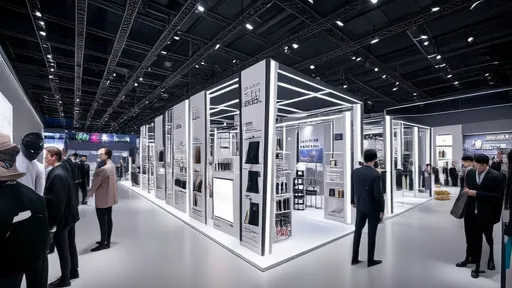
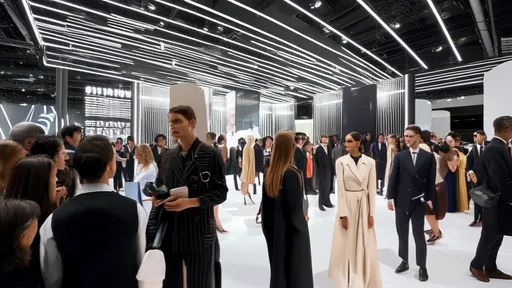
Interactive installations allowed attendees to engage with the craft firsthand. One booth featured looms where visitors could try weaving with silk threads alongside master artisans, while digital screens displayed augmented reality overlays showing how those same techniques are used in automated factories today. This hands-on experience blurred lines between observer and participant, making the dialogue tangible. It emphasized that tradition is not static but a living practice, adaptable and relevant.
Evening wear collections took a bold step, fusing elements from Peking opera costumes—vibrant colors, elaborate headdresses—with minimalist designs suitable for red-carpet events. Designers played with juxtapositions: voluminous sleeves paired with sleek silhouettes, embroidered motifs on transparent fabrics, and headpieces that incorporated LED lights. These pieces celebrated theatricality while ensuring wearability, demonstrating that cultural symbols can be both honored and humorously subverted.
The closing show was a multimedia spectacle, integrating holographic projections of historical artifacts with live performances. Models walked through scenes that shifted from ancient courtyards to futuristic cityscapes, their outfits morphing in visual harmony with the environment. It was a powerful metaphor for the seamless flow between eras, suggesting that identity is not a choice between old and new but a fusion of both.
Throughout the week, panel discussions with historians, designers, and tech innovators deepened the conversation. Topics ranged from the role of AI in pattern-making—using algorithms inspired by traditional symmetry principles—to the economics of preserving crafts in global markets. One key takeaway was the consensus that innovation without roots lacks soul, while tradition without adaptation risks irrelevance. This fashion week proved that China’s design community is mastering both, creating a language that speaks globally while remaining authentically local.
In retrospect, the China International Fashion Week did more than display clothing; it curated an experience of cultural dialogue. Each collection, each stitch, and each concept served as a bridge across time, illuminating how the light of the East—its philosophies, arts, and values—can guide new creative journeys. As the curtains fell, it was clear that this event had not just showcased fashion but had woven a new tapestry of identity, one where tradition and modernity are not in conflict but in constant, brilliant conversation.
By /Sep 22, 2025
By /Sep 22, 2025
By /Sep 22, 2025
By /Sep 22, 2025
By /Sep 22, 2025
By /Sep 22, 2025
By /Sep 22, 2025
By /Sep 22, 2025
By /Sep 22, 2025

By /Sep 22, 2025
By /Sep 22, 2025
By /Sep 22, 2025
By /Sep 22, 2025
By /Sep 22, 2025
By /Sep 22, 2025
By /Sep 22, 2025
By /Sep 22, 2025
By /Sep 22, 2025
By /Sep 22, 2025
By /Sep 22, 2025
