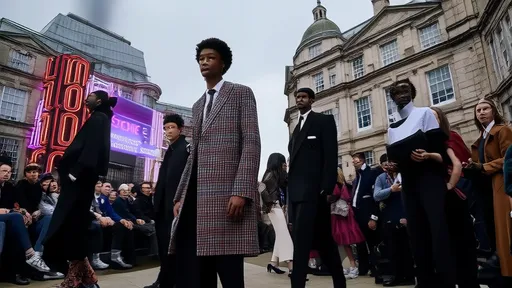
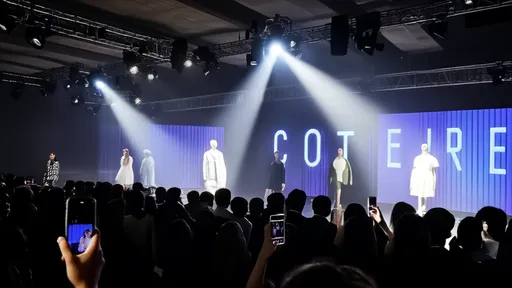
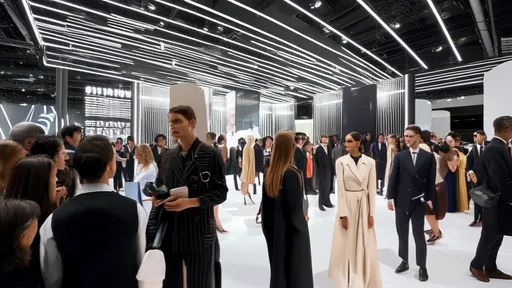
London Fashion Week has once again captured the global spotlight, heralding what many are calling a new era for British fashion. The event, which unfolded across the capital's most iconic venues, was not just a display of clothing but a powerful statement on creativity, sustainability, and cultural evolution. Designers, buyers, and fashion enthusiasts from around the world gathered to witness collections that pushed boundaries, challenged norms, and celebrated innovation in ways that felt both fresh and deeply rooted in British identity.
The atmosphere was electric from the very first show, with a sense of anticipation that this season would be different. Gone were the rigid conventions of past years; in their place, a dynamic energy that embraced diversity, technology, and a renewed focus on craftsmanship. The runways told stories of resilience and reinvention, reflecting a industry that is rapidly adapting to the demands of a new generation while honoring its rich heritage. It was clear that British fashion is not just evolving—it is leading the charge into uncharted territory.
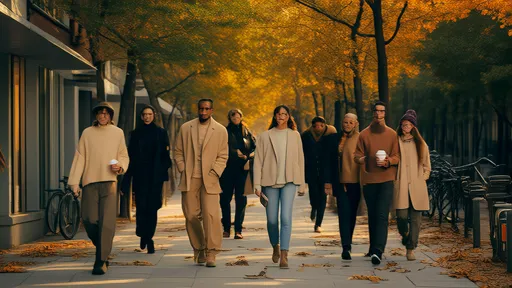
One of the most striking aspects of this year's London Fashion Week was the emphasis on inclusivity and representation. Designers showcased collections that celebrated a wide spectrum of body types, ages, and backgrounds, moving beyond tokenism to genuine integration. Models of all sizes walked the runways, wearing designs that were both aspirational and accessible. This shift signals a broader change within the industry, one that recognizes fashion as a universal language that should speak to everyone. The message was clear: beauty and style are not confined to a single ideal, but are multifaceted and diverse.
Sustainability also took center stage, with many designers prioritizing eco-friendly materials and ethical production methods. From upcycled fabrics to zero-waste patterns, the commitment to reducing fashion's environmental footprint was evident in nearly every collection. This wasn't just a trend; it was a core philosophy driving creativity. Brands demonstrated that sustainability and high fashion are not mutually exclusive, but can coexist to create pieces that are both beautiful and responsible. The industry's pivot toward greener practices marks a significant step forward in addressing the urgent challenges of climate change and resource depletion.
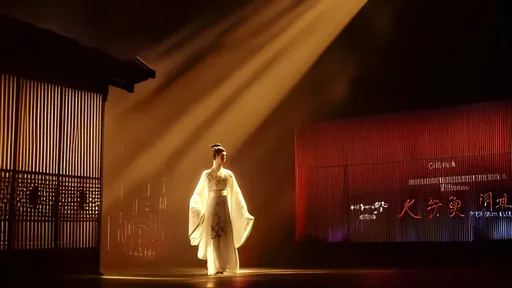
Technology played a pivotal role in shaping the experience of London Fashion Week, blending the physical and digital realms in innovative ways. Virtual reality presentations, live-streamed shows, and interactive digital lookbooks allowed a global audience to engage with the event in real-time. This hybrid approach not only expanded accessibility but also opened new avenues for creative expression. Designers experimented with digital textiles, augmented reality fittings, and AI-inspired designs, showcasing how technology can enhance rather than detract from the artistry of fashion. The fusion of tech and tradition is setting a new standard for how fashion weeks can operate in a connected world.
British heritage was reinterpreted through a modern lens, with designers drawing inspiration from the nation's history while infusing it with contemporary relevance. Tartans were deconstructed and reimagined, classic silhouettes were updated with bold cuts and unexpected details, and traditional craftsmanship was celebrated alongside avant-garde techniques. This dialogue between past and present created collections that felt both timeless and of-the-moment, reinforcing the UK's position as a hub of sartorial innovation. The ability to honor tradition while fearlessly moving forward is a hallmark of British design, and it was on full display throughout the week.
Emerging talents shone brightly, proving that the future of British fashion is in capable hands. New designers brought fresh perspectives, challenging established norms with their fearless approach to color, texture, and form. Supported by initiatives aimed at nurturing young creatives, these rising stars presented collections that were innovative, thought-provoking, and commercially viable. Their work underscored the importance of investing in the next generation, ensuring that the industry continues to evolve and thrive. The energy and originality they brought to the runway were infectious, leaving audiences excited for what lies ahead.
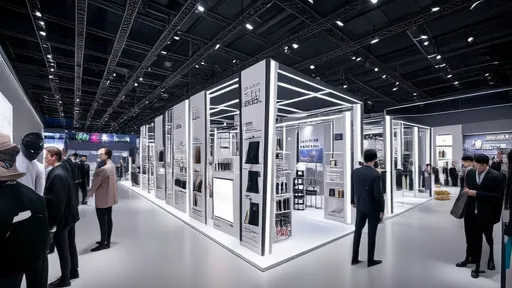
The business of fashion was also reexamined, with a focus on creating more resilient and adaptable models. Discussions around seasonless collections, direct-to-consumer strategies, and agile supply chains highlighted a industry in transition. Brands are increasingly prioritizing flexibility and responsiveness, learning from the disruptions of recent years to build more sustainable business practices. This pragmatic yet creative approach is shaping a new ecosystem where artistry and commerce coexist harmoniously, ensuring that fashion remains both culturally relevant and economically viable.
In conclusion, London Fashion Week has unequivocally ushered in a new era for British fashion, characterized by inclusivity, sustainability, technological integration, and a dynamic reinterpretation of heritage. The event was more than a showcase; it was a declaration of intent, signaling a industry ready to lead with innovation, responsibility, and creativity. As the curtains close on another successful season, the impact of these developments will undoubtedly resonate far beyond the runways, influencing global fashion trends and reinforcing the UK's status as a creative powerhouse. The future of British fashion is not just bright—it is groundbreaking.
By /Sep 22, 2025
By /Sep 22, 2025
By /Sep 22, 2025
By /Sep 22, 2025
By /Sep 22, 2025

By /Sep 22, 2025
By /Sep 22, 2025
By /Sep 22, 2025
By /Sep 22, 2025

By /Sep 22, 2025

By /Sep 22, 2025
By /Sep 22, 2025
By /Sep 22, 2025
By /Sep 22, 2025
By /Sep 22, 2025

By /Sep 22, 2025
By /Sep 22, 2025
By /Sep 22, 2025

By /Sep 22, 2025
By /Sep 22, 2025
