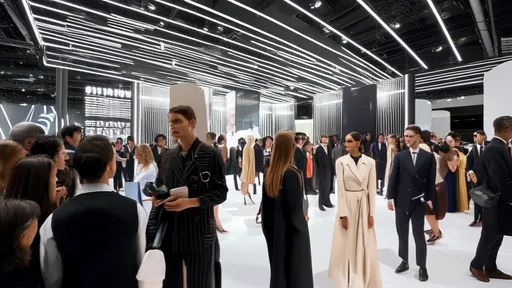
The global fashion industry is witnessing a remarkable resurgence this September, with an exceptionally dense calendar of events spanning from New York to Shanghai. After years of disruption and uncertainty, the return of in-person shows, presentations, and buying appointments signals a robust and eager recovery for the sector. Designers, buyers, journalists, and fashion enthusiasts are once again filling the seats at runways and showrooms, embodying a collective optimism for the future of fashion.
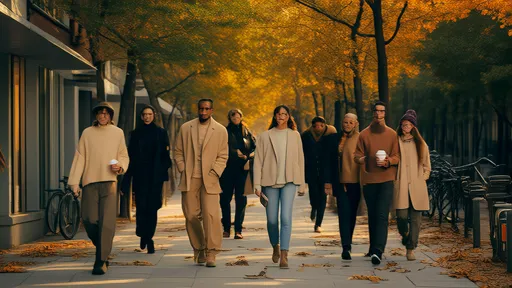
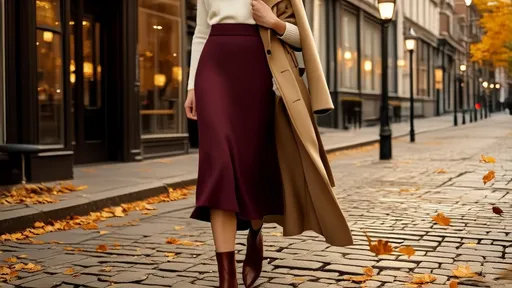
New York Fashion Week kicked off the month with a palpable energy, setting a confident tone for the weeks to follow. The shows were not only a display of creative innovation but also a testament to the resilience of designers who have navigated immense challenges. Major houses and emerging talents alike presented collections that blended practicality with fantasy, reflecting a renewed focus on both wearability and artistic expression. The streets of Manhattan were abuzz with style, as street style photographers captured the eclectic and bold outfits of attendees, further fueling the excitement and discourse around the events.
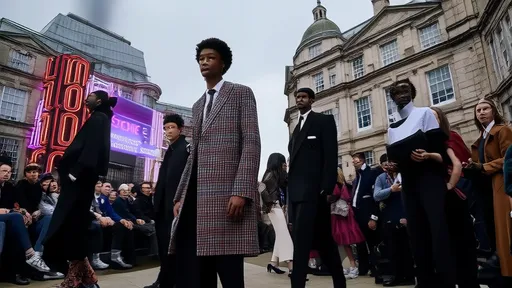
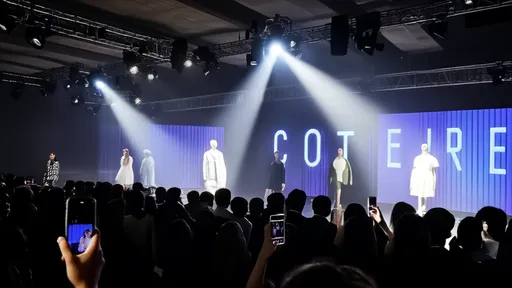
Following New York, the fashion caravan moved to London, where a spirit of rebellion and experimentation took center stage. British designers have long been known for pushing boundaries, and this season was no exception. The collections presented were provocative, thoughtful, and often politically charged, addressing contemporary issues through the medium of clothing. The energy in London was electric, with shows often feeling like immersive performances rather than traditional presentations. This reinvigoration of the show format itself speaks volumes about the industry's desire to evolve and engage audiences in new ways.
Milan came next, bringing with it a sense of luxury, heritage, and impeccable craftsmanship. Italian fashion houses, with their rich histories, delivered powerful statements of elegance and sophistication. The emphasis on quality materials and meticulous tailoring was evident, reminding the world of the enduring value of artisanal skill. The atmosphere in Milan was one of celebration, not just of the new collections, but of the very essence of Italian style and its significant role in the global fashion landscape. The city's beautiful venues and passionate audiences created a backdrop that was both inspiring and deeply authentic.
Paris, the traditional finale of the major fashion weeks, did not disappoint. It provided a grand and poetic conclusion to this month-long journey. The French capital saw a blend of haute couture extravagance and ready-to-wear innovation, with designers exploring themes of nostalgia, futurism, and everything in between. The shows were spectacular, often held in iconic locations that added layers of meaning to the garments on display. The return of international guests to Paris was particularly symbolic, highlighting the city's unwavering status as the heart of the fashion world.
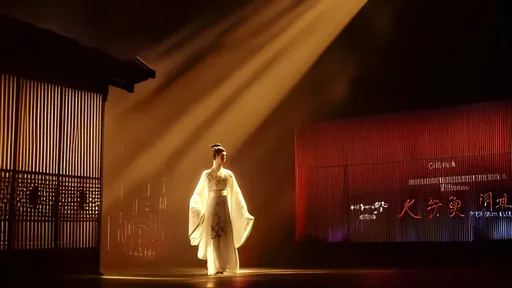
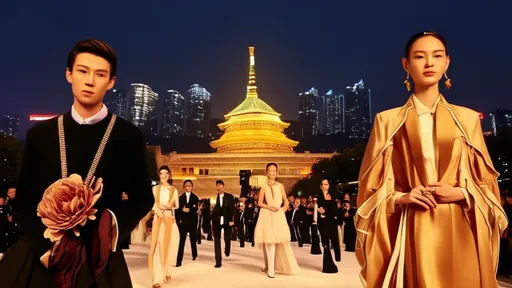
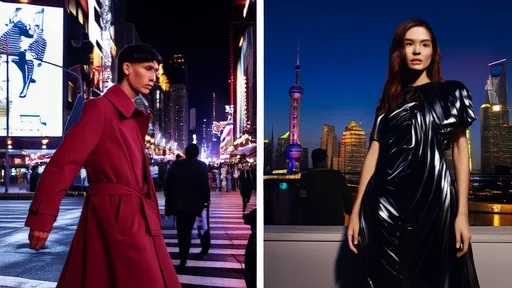
However, the narrative of recovery extends far beyond these four traditional fashion capitals. Shanghai has emerged as a critical and vibrant node in the global schedule, hosting its own series of significant events that attracted attention from across the industry. Chinese designers presented collections that skillfully merged Eastern aesthetics with global trends, showcasing a unique and powerful perspective. The energy in Shanghai was indicative of the growing influence and confidence of the Asian market, which is playing an increasingly pivotal role in shaping the future of fashion. Buyers and media from around the world tuned in, recognizing the importance of this market's voice and consumer power.
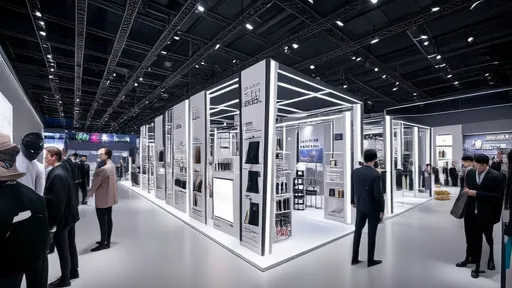
This densely packed September schedule is more than just a return to normalcy; it is a clear indicator of the industry's accelerated pace and expanded geographical reach. The seamless integration of physical and digital elements continues to be a key feature, with live streams, virtual showrooms, and digital lookbooks ensuring global accessibility. This hybrid model, born out of necessity during the pandemic, has now become a staple, allowing brands to reach a wider and more diverse audience than ever before. It democratizes access to fashion week, breaking down geographical and economic barriers that once limited participation.
The economic implications of this bustling activity are profoundly positive. Retailers are reporting strong orders, indicating healthy consumer demand and a belief in the commercial viability of the new collections. The flurry of events generates substantial revenue for host cities, benefiting hotels, restaurants, transportation, and local businesses. Furthermore, it revitalizes the entire ecosystem of the industry, from models and makeup artists to PR agencies and set designers, providing much-needed work and reaffirming the economic power of the creative sectors.
In conclusion, the relentless pace from New York to Shanghai this September is a powerful testament to the fashion industry's resilience and capacity for renewal. The excitement, creativity, and business activity on display are undeniable signs of a strong and dynamic recovery. The industry has not just bounced back; it has moved forward, embracing new formats, acknowledging new centers of influence, and demonstrating an unwavering commitment to creativity and connection. This September has set a compelling precedent for the seasons to come, promising a future for fashion that is more inclusive, innovative, and interconnected than ever before.
By /Sep 22, 2025
By /Sep 22, 2025
By /Sep 22, 2025
By /Sep 22, 2025
By /Sep 22, 2025
By /Sep 22, 2025
By /Sep 22, 2025
By /Sep 22, 2025
By /Sep 22, 2025
By /Sep 22, 2025
By /Sep 22, 2025
By /Sep 22, 2025
By /Sep 22, 2025
By /Sep 22, 2025
By /Sep 22, 2025
By /Sep 22, 2025
By /Sep 22, 2025
By /Sep 22, 2025
By /Sep 22, 2025
By /Sep 22, 2025
